She Trusted Her Gut. And It Helped Revitalize Gene Therapy.
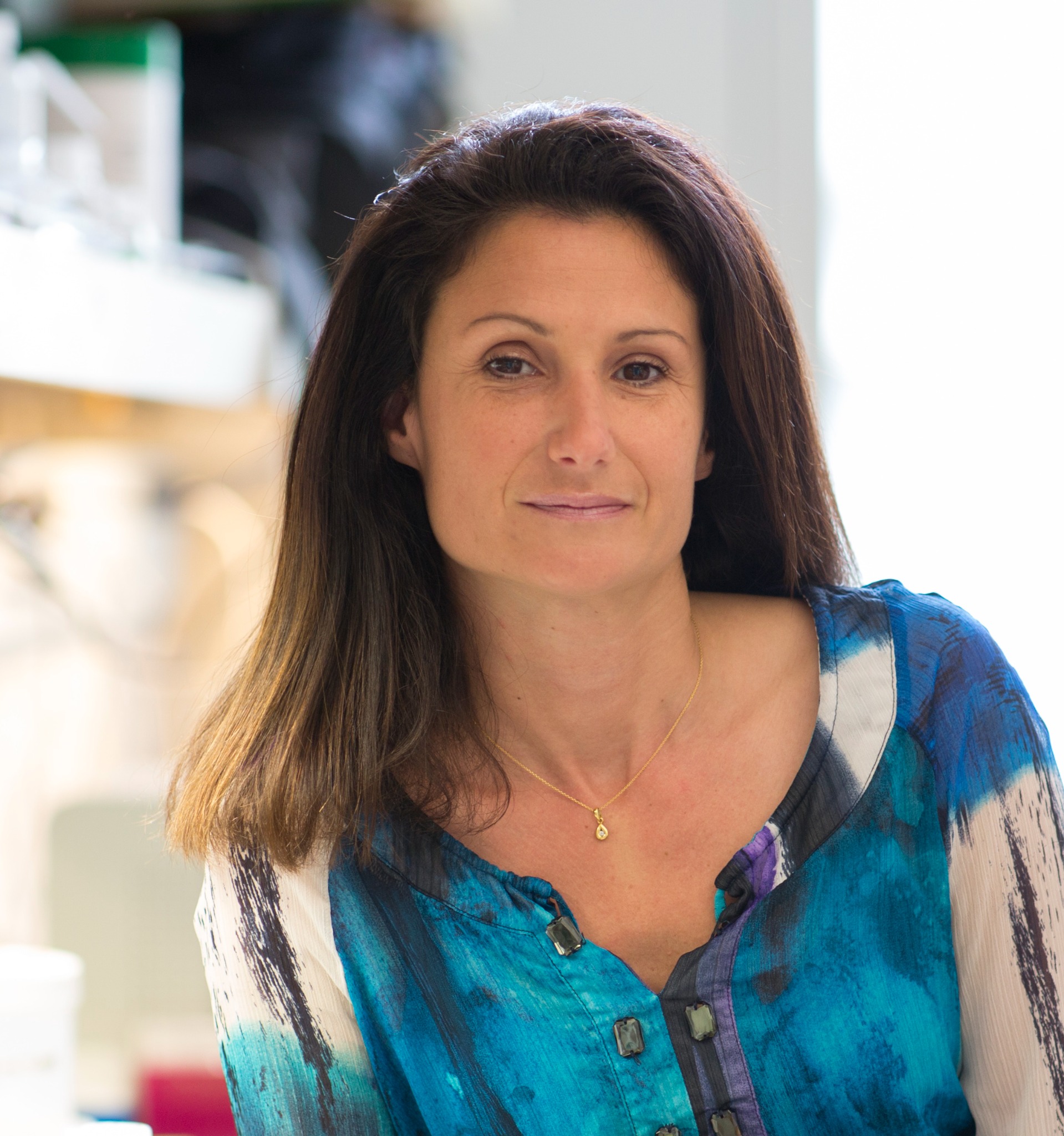
Stephanie Cherqui is one of those people who always knew what she wanted to be when she grew up. When she first stepped foot in a research laboratory—one under construction by her father’s company—she had barely reached the double digits in age, but that didn’t stop the allure of the space from captivating her immediately.
“Working in a lab, I always felt like this was a great place to be,” Dr. Cherqui said. “I always felt like, I don’t know, a calling.”
Her calling latched onto a concrete topic when she first learned about genetics in middle school, and it sharpened to a point when she heard about gene therapy during her first research internship at age 16. She swiftly resolved that gene therapy, the ability to treat genetic diseases by fixing or replacing faulty genes in a person’s cells, was the future of medicine. From that day forward, she dedicated her career to developing gene therapy techniques in the laboratory and bridging them to the clinic.
Gene therapy, once considered science fiction, began to take shape in the 1970s when Ted Freeman laid the groundwork for introducing genes into human cells. But when Dr. Cherqui began her PhD, gene therapy was still too young of a field to pursue as a graduate student, so she did the next best thing: finding a gene responsible for a rare disease. “That could be really nice to go from the gene to gene therapy one day. So I decided to go forward with that” she said.
She spent her PhD determining the genetic cause of a rare disease called Cystinosis, caused by a mutation in the CTNS gene. She figured out this gene produces a specialized passageway protein that allows an amino acid called cystine to leave the lysosome, the cell’s digestive compartment. Cystinosis blocks this passageway, meaning that cystine is trapped inside. It accumulates, creating toxic crystals that kill the cells and destroy body tissues, resulting in kidney and eye damage, diabetes, muscle weakness, bone issues, and eventually premature death of the affected patients.
There is one drug on the market that helps lower the amount of cystine in the cell, but individuals must take up to 60 pills a day, requiring around-the-clock care that interferes with the lives of the patient and their caregivers, not to mention side effects such as severe vomiting and body odor.
Dr. Cherqui recognized an opportunity to use gene therapy to address this disease's root cause by replacing the dysfunctional gene with a functional one. But when she finished her PhD and prepared to start her own laboratory, she ran into a problem.
Gene therapy was making headlines—but not good ones. There were some adverse events in early clinical trials, including the tragic death of an 18-year-old in one and several children developing cancer in another. This shifted the entire sentiment on gene therapy, which was deemed too risky; the whole field crashed, and the grant funding disappeared.
Dr. Cherqui’s mentors, whom she admires greatly, even advised her against continuing her current goals. “They both told me, 'You should really change the path of your career because gene therapy would not go far.’” She took their advice to heart, but she also had this feeling in her gut that gene therapy wasn’t too far gone. The tools were young and there was still a lot to learn about safety, but the potential positive implications were too great to give up.
“I couldn’t think about anything else that I was really passionate about, and I always believed in it.” Dr. Cherqui said. “And I’m glad I kept going, and I kept doing my research on gene therapy despite all this risk. I am where I am today because I didn’t give up at the worst time.”
Dr. Cherqui is now a Professor at the University of California in San Diego, and she has successfully completed a clinical trial using gene therapy for Cystinosis in six patients.
In her research, she identified that blood stem cells, which are immature cells that can develop into many kinds of blood cells, were the ideal choice for fixing the CTNS gene. This is because they integrate into the body’s tissues, transforming into a kind of white blood cell called macrophages. These macrophages generate tiny structures called tunneling nanotubes, which act like cellular highways to deliver healthy lysosomes (with the corrected CTNS gene) to the tissues.
Using these insights, she developed a gene therapy approach for Cystinosis. She borrowed blood stem cells from the patient, corrected the genetic mutation in the CTNS gene, and then reintroduced the cells to the patient’s body. The genetically modified cells made a home in the bone marrow and became a lifelong source of healthy gene production.
Dr. Cherqui recalls giving gene therapy to the first patient as a highlight of her career. “It was very exciting … so many years trying to develop a new treatment, and now, for the first time, it’ll be delivered to a patient.” Five years later, the treated individuals are doing very well. Many have made significant lifestyle changes, such as going back to school or starting new careers.
Because Dr. Cherqui trusted her intuition, she made a huge difference for these patients and helped revitalize the field of gene therapy. Her discoveries can also be applied to many other diseases that have genetic causes. She is currently working on developing a similar approach for Friedreich's Ataxia, a rare neurodegenerative disorder, Danon disease, an inherited cardiac disease requiring a heart transplant, and familial Alzheimer’s disease.
To help other researchers navigate the grueling and complex transition from laboratory results to clinical trials, Dr. Cherqui has worked alongside Dr. Alysson Muotri and Betty Cabrera to open the Gene Therapy Initiative at UC San Diego. Dr. Cherqui’s resolute commitment to her vision, even in the face of uncertainty, has not only transformed the lives of Cystinosis patients but has paved the way for a future where gene therapy is a viable treatment option for a wide range of conditions.
Post a comment