Recent Work

Modeling Study Predicts National Fluoride Ban Would Substantially Increase Children’s Tooth Decay and Dental Costs

Fluoride has been added to public water systems in the United States since 1945 to strengthen tooth enamel and fight off bacteria, ultimately reducing tooth decay. Researchers developed a model to estimate dental health outcomes for children if the United States were to ban fluoridation of public water. The new study, published in JAMA Health Forum, found that banning fluoride would substantially increase dental decay and costs particularly for publicly insured children.


Persistent Mucus Plugs Linked to Faster Decline in Lung Function for Patients with COPD

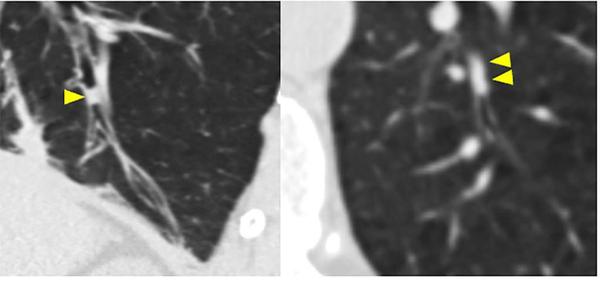
Senior author Alejandro Diaz, MD, MPH, of the BWH Division of Pulmonary and Critical Care Medicine, and team previously published a paper linking mucus plugs to increased mortality in patients with COPD, even for those who were not experiencing the hallmark symptoms like cough and phlegm production. The researchers next wanted to figure out how the persistence or resolution of mucus plugs influence the progression of the disease. 
They examined data from 2,118 participants in the NIH-funded COP...

Researchers Find That Increase of ‘CLU’ Protein Promotes Brain Resilience and Could Provide Protection from Alzheimer’s Disease

Recently approved Alzheimer’s drugs offer a step forward for treating the disease, but new therapeutic strategies are needed to complement them and provide personalized therapeutic approaches. Mass General Brigham researchers have identified a potential strategy to protect against Alzheimer’s disease by increasing the clusterin protein (CLU).
Alvin Gogineni, Genentech
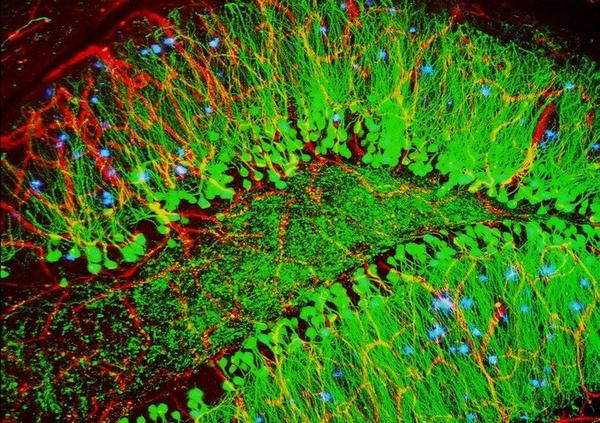
This mouse brain shows hallmarks of Alzheimer’s disease (plaques in blue), along with blood vessels (red) and nerve cells (green).

Potential Alzheimer’s Disease Therapeutic Target Identified in Brain Immune Cells

Tim-3 is an immune checkpoint molecule involved in immunity and inflammation recently linked to late-onset Alzheimer’s disease (AD), but its role in the brain was unknown until now. In a paper published in Nature, researchers from Mass General Brigham used preclinical models to uncover Tim-3’s role in microglia, the brain's resident immune cells, and have identified it as a promising therapeutic target for Alzheimer’s disease.